
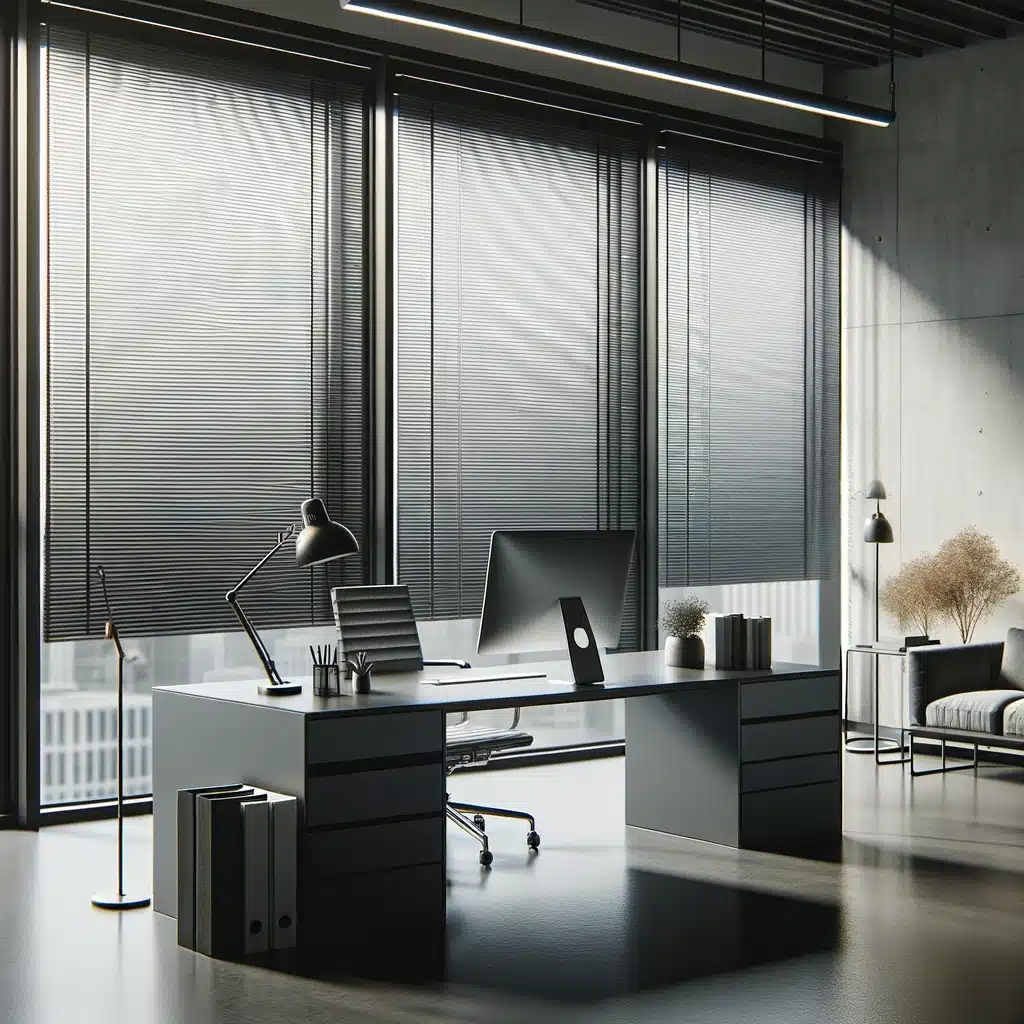
Are sustainable blinds a waste of time?
In the pursuit of sustainability within commercial, healthcare, and educational environments, attention is increasingly turning towards every aspect of building design and operation, including window treatments, but are sustainable blinds a waste of time and money? Sustainable blinds have garnered significant interest in this context, emerging as a pivotal component in eco-conscious architectural practices. Made from environmentally friendly materials and designed to reduce ecological footprints, these blinds offer a promising alternative to traditional window coverings. Yet, amidst their rising popularity, debates persist regarding their efficacy, cost-efficiency, and overall contribution to sustainability goals. Are sustainable blinds genuinely beneficial in our efforts towards greener buildings, or do they represent a well-meaning but ultimately insignificant gesture?
This article delves into the realm of sustainable blinds, dissecting their advantages, challenges, and the real-world impact of their integration into commercial, healthcare, and educational facilities. By examining the materials used, the environmental benefits, and the practical implications of opting for sustainable over conventional blinds, we aim to provide a thorough analysis that will assist facility managers, architects, and decision-makers in making informed choices. Whether you are deeply committed to environmental sustainability or are exploring eco-friendly options for your facilities, the following insights will illuminate the true value of sustainable blinds in fostering more sustainable, efficient, and healthy environments.
Are Sustainable Blinds a Waste of Time?
Benefits of Sustainable Blinds
Sustainable blinds offer a myriad of benefits that extend beyond mere aesthetics, making them an indispensable choice for commercial, healthcare, and educational facilities. Their incorporation into buildings signifies a commitment to environmental sustainability, occupant health, and economic efficiency. Here’s how sustainable blinds are setting new standards in these sectors:
Environmental Impact
- Reduced Carbon Footprint: By utilising materials that are recyclable and sourced from sustainable practices, sustainable blinds significantly lower the carbon footprint associated with manufacturing and disposal compared to traditional window coverings.
- Energy Efficiency: The enhanced insulation properties of sustainable blinds contribute to a reduction in energy consumption for heating and cooling, thus diminishing the overall energy demand of a building.

Environmental Impact
Health and Safety Benefits
- Improved Air Quality: Sustainable blinds made from non-toxic, natural, or recycled materials contribute to healthier indoor air quality, which is particularly crucial in healthcare and educational settings where safety and well-being are paramount.
- Enhanced Comfort: Through the regulation of natural light and temperature, sustainable blinds create a more comfortable and productive environment for occupants, fostering well-being and efficiency in work and learning spaces.
Economic Efficiency
- Cost Savings: Although the initial investment in sustainable blinds might be higher than traditional options, their durability and energy-saving properties lead to significant cost savings over time. In the commercial sector, the reduction in energy bills can contribute to considerable financial efficiencies.
- Maintenance and Longevity: Sustainable blinds are often designed for durability, requiring less frequent replacements and maintenance, further contributing to their cost-effectiveness and reducing the resource burden on facilities.
The adoption of sustainable blinds in commercial, healthcare, and educational sectors does not only reflect an eco-conscious choice but also an intelligent, forward-thinking decision for facility management. By prioritising sustainability, health, and economic benefits, these sectors can lead by example, showcasing how innovative solutions can align with environmental stewardship without compromising on functionality or financial viability.
Challenges and Criticisms
While sustainable blinds offer significant benefits, they are not without their challenges and criticisms. It’s crucial for decision-makers in commercial, healthcare, and educational facilities to consider these factors to make informed choices.
Cost Implications
- Initial Investment: One of the primary concerns with sustainable blinds is the higher upfront cost compared to conventional blinds. For large facilities or institutions operating under tight budget constraints, this can be a significant barrier to adoption.
Availability and Design Variety
- Limited Selection: The range of designs, colours, and materials available in sustainable blinds tend to be more limited than traditional options. This can pose challenges for facilities looking to match specific aesthetic or branding requirements.
Questioning Sustainability
- Lifecycle Analysis: Critics argue that the true sustainability of blinds must be evaluated through a comprehensive lifecycle analysis, considering not just the production and use phases but also disposal and recycling. There is a call for more transparency and standardisation in measuring the environmental impact of sustainable blinds.
Technological Integration Challenges
- Complexity in Integration: For automated sustainable blinds, integrating with existing building management systems can be complex and costly. Facilities need to evaluate the feasibility and potential disruptions associated with retrofitting older buildings with new technology.
Addressing the Challenges
To overcome these challenges, it’s essential for manufacturers and suppliers to work towards reducing costs through technological advancements and economies of scale. Increasing awareness and education about the long-term benefits and potential cost savings of sustainable blinds can also help mitigate concerns about initial investments. Furthermore, continuous innovation in materials and designs can expand the variety of sustainable blinds, making them a more attractive option for a wider range of facilities.
Despite these challenges, the move towards sustainable blinds reflects a broader commitment to environmental responsibility and sustainability in the built environment. By carefully considering these factors and seeking innovative solutions, commercial, healthcare, and educational sectors can navigate the complexities and contribute to a more sustainable future.
Conclusion
So are sustainable blinds a waste of time? The transition towards sustainable blinds in commercial, healthcare, and educational sectors is not merely a trend but a necessary shift in response to growing environmental concerns and the urgent need for sustainable practices in all aspects of facility management. While the initial cost and implementation challenges of sustainable blinds can be significant, the long-term benefits — from reduced energy consumption and improved indoor air quality to the positive impact on occupant well-being and productivity — far outweigh these initial investments.
Moreover, the landscape of environmental legislation is evolving, with governments worldwide increasingly imposing stringent regulations on energy efficiency and sustainability in buildings. Today’s cost-saving measures, achieved through conventional shading solutions, may prove short-sighted as facilities could face the need for costly upgrades or replacements to comply with future standards. Investing in sustainable blinds now not only aligns with current eco-friendly initiatives but also positions facilities to meet and exceed forthcoming regulations, avoiding the pitfalls of reactive adjustments to legislative changes.
The imperative to move towards sustainable shading solutions is clear. By embracing these innovations sooner rather than later, facilities can ensure they are at the forefront of environmental stewardship, leading by example in the transition towards more sustainable and resilient built environments. The journey towards sustainability is filled with challenges, yet the rewards — for our planet, our health, and our future — are immeasurable. Let us not delay in making the choices that will define our legacy of responsibility towards the environment and future generations.